Mycobacterium tuberculosis
Tuberculosis (or TB) is an infectious disease usually caused by Mycobacterium tuberculosis bacteria. In South-East Asia and Western Pacific Regions, tuberculosis (or TB) is still a major public health issue and is expected to pose greater challenges with emergence of multi-drug resistance.
Spread of the mycobacterium to the kidney with a gradual, asymptomatic progression of the disease leads to delay in diagnosis. Involvement of urinary bladder and ureters leads to obstructive nephropathy. Extensive destructive caseous lesions, ulceration and dystrophic calcification involving renal parenchyma lead to CKD[1].
Involvement of the kidneys can also present as granulomatous interstitial nephritis that may be difficult to distinguish from sarcoidosis[2]. TB is the commonest cause of secondary amyloidosis in the Indian subcontinent[3]. Diagnosis of renal TB is usually unsatisfactory due to poor culture techniques, and poor sensitivity of nucleic acid based tests. In late disease, even with effective anti-tubercular drugs renal injury persists and leads to CKD[4].
Mycobacterium leprae
Leprosy caused by Mycobacterium leprae is another important mycobacterial infection of public health problem, which also involves the kidney. Despite reduction in its prevalence, leprosy remains endemic in many parts of the world particularly south Asia[5].
In a report of 122 cases from India, reduced creatinine clearance, and proteinuria were common. Autopsy studies revealed a wide spectrum of renal lesions, including renal amyloidosis, glomerulonephritis, tubulointerstitial nephritis and granulomatous disease[6].
We propose to call this Chronic Kidney Disease of non-Traditional causes (CKDnT): Mycobacteria-Induced Chronic Kidney Disease.
[1] Yadav et al: Genital tuberculosis: current status of diagnosis and management in Tranlational Andrology and Urology – 2016. See here.
[2] Oliveira et al: Single-centre experience of granulomatous interstitial nephritis—time for a new approach? in Clinical Kidney Journal – 2017. See here.
[3] Chugh et al: Pattern of renal amyloidosis in Indian patients in Postgraduate Medical Journal – 1981. See here.
[4] Lenk et al: Genitourinary tuberculosis in Current Opinion in Urology. – 2001
[5] Smith et al: The missing millions: a threat to the elimination of leprosy in PloS Neglected Tropical Diseases – 2015 See here.
[6] Silva et al: Leprosy nephropathy: a review of clinical and histopathological features in Revista do Instituto de Medicina Tropical de São Paulo. – 2015. See here.
Lithium-Induced Chronic Kidney Disease
Lithium is primarily used to treat and prevent episodes of mania (frenzied, abnormally excited mood) in people diagnosed with bipolar disorder, which is a manic-depressive disorder, a disease that causes episodes of depression, episodes of mania, and other abnormal moods[1]. Lithium decreases abnormal activity in the brain and can therefore be regarded as a mood-stabilizer.
In some cases lithium is also used to treat an episode of major depression, schizophrenia, disorders of impulse control, and certain mental illnesses in children.
Yes, Lithium has a documented positive effect on your brain, but beware of the side-effects. The problem of all medications is that, while you want it to have a positive effect in one part of your body, it also reaches those parts of the body you really do not want it to have effect.
A well-known complication of lithium is its detrimental effect on your kidneys. Research shows that the use of lithium seems to be related to a higher incidence of chronic kidney disease. Longer duration of lithium exposure significantly increased the risk of renal failure[2].
In the most extreme case your mood will have considerably improved, but you might die because your kidneys were so damaged that they stopped working altogether.
We would like to suggest to call this particular variant: Lithium-Induced Chronic Kidney Disease.
[1] Won, Kim: An Oldie but Goodie: Lithium in the Treatment of Bipolar Disorder through Neuroprotective and Neurotrophic Mechanisms in International Journal of Molecular Sciences - 2017
[2] Van Alphen et al: Chronic kidney disease in lithium-treated patients, incidence and rate of decline in International Journal of Bipolar Disorders - 2021
Soft Drinks-Induced Chronic Kidney Disease
Everybode knows (or should know) that consuming large amounts of sugary drinks will invariably increase your weight. The sugar in these drinks makes them high in calories.
But that's not all.
A scientific study revealed that a higher consumption of sugar-sweetened beverages was associated with an elevated risk of subsequent Chronic Kidney Disease in a study[1].
We would like to suggest to call this particular variant: Sugary Drinks-Induced Chronic Kidney Disease.
But that's not all.
Men who consume large amounts of carbonated or soft drinks are at higher risk of contracting gout than those who abstain, a study has concluded[2]. Researchers found that those who consumed five or six sweet beverages a week were nearly 30% more likely to suffer attacks of gout than those who drank less than one serving monthly. The risk rose to 85% for those drinking two or more a day. As well as sugar in drinks, the study found that natural fruit sugar, or fructose, posed a substantial risk for gout.
That means people who drank orange or apple juice or even ate those fruit regularly were prone to the illness. Meanwhile, diet soft drinks, which often contain sweetener rather than fructose, were not found to be associated with gout.
Gout is caused by a build-up of uric acid in the bloodstream and can cause joint swelling, inflammation and acute pain in the extremities. Women are less likely to suffer from the condition.
Fructose is often used as a substitute for sugar, especially in high-fructose corn syrup, which is cheaper than cane sugar. It is a common ingredient in fizzy drinks. The risk is such that researchers caution that patients who switch from purine-rich food to improve their gout could in fact make it worse if they start eating large amounts of fructose.
[1] Rebholz et al: Patterns of Beverages Consumed and Risk of Incident Kidney Disease in Clinical Journal of the American Society of Nephrology – 2019
[2] Choi, Curhan: Soft drinks, fructose consumption, and the risk of gout in men: prospective cohort study in British Medical Journal – 2008. See here.
But that's not all.
A scientific study revealed that a higher consumption of sugar-sweetened beverages was associated with an elevated risk of subsequent Chronic Kidney Disease in a study[1].
We would like to suggest to call this particular variant: Sugary Drinks-Induced Chronic Kidney Disease.
But that's not all.
Men who consume large amounts of carbonated or soft drinks are at higher risk of contracting gout than those who abstain, a study has concluded[2]. Researchers found that those who consumed five or six sweet beverages a week were nearly 30% more likely to suffer attacks of gout than those who drank less than one serving monthly. The risk rose to 85% for those drinking two or more a day. As well as sugar in drinks, the study found that natural fruit sugar, or fructose, posed a substantial risk for gout.
That means people who drank orange or apple juice or even ate those fruit regularly were prone to the illness. Meanwhile, diet soft drinks, which often contain sweetener rather than fructose, were not found to be associated with gout.
Gout is caused by a build-up of uric acid in the bloodstream and can cause joint swelling, inflammation and acute pain in the extremities. Women are less likely to suffer from the condition.
Fructose is often used as a substitute for sugar, especially in high-fructose corn syrup, which is cheaper than cane sugar. It is a common ingredient in fizzy drinks. The risk is such that researchers caution that patients who switch from purine-rich food to improve their gout could in fact make it worse if they start eating large amounts of fructose.
[1] Rebholz et al: Patterns of Beverages Consumed and Risk of Incident Kidney Disease in Clinical Journal of the American Society of Nephrology – 2019
[2] Choi, Curhan: Soft drinks, fructose consumption, and the risk of gout in men: prospective cohort study in British Medical Journal – 2008. See here.
Organic Solvent-Induced Chronic Kidney Disease
Organic solvents are carbon-based substances capable of dissolving or dispersing one or more other substances. Many classes of chemicals are used as organic solvents, including aliphatic hydrocarbons, aromatic hydrocarbons, amines, esters, ethers, ketones, and nitrated or chlorinated hydrocarbons.
They are used in paints, varnishes, lacquers, adhesives, glues, and in degreasing and cleaning agents, and in the production of dyes, polymers, plastics, textiles, printing inks, agricultural products, and pharmaceuticals.
The health effects associated with occupational exposure to organic solvents have long been recognised. Studies have shown both acute (short-term) and chronic (persistent) effects, particularly on the central nervous system, in workers exposed to solvents. Symptoms include neurological symptoms (including trembling of hands, tingling in arms and legs, dropping things by accident), mood (short temper, irritability) and memory and concentration problems.
A lesser known fact is that chronic exposure to organic solvents can also damage your kidneys. Scare research seems to show that the mechanisms behind organic solvents causing chronic kidney disease are obscure[1]. A direct toxic effect does not seem probable considering the frequent exposure to organic solvents in modern society and the fairly low incidence of this disease. The possibility of the solvents initiating, mediating or in some other way taking part in immunologic reactions appears more attractive. The general impression after reviewing the presented investigations is, that the possibility of a causal association between moderate hydrocarbon exposure and renal disease must be considered substantial. The indications are strong enough to state that individuals with signs of renal dysfunction or manifest renal disease should not be exposed to organic solvents.
So, would glue-sniffing (otherwise known as sniffing, huffing or bagging), a pathetic and cheap way to get high by inhaling organic solvents in (usually) glue, acetone, nitrous oxide (laughing gas) or butane, risk having kidney problems too? The answer, not surprisingly, is yes[2].
We would like to suggest to call this particular variant: Organic Solvent-Induced Chronic Kidney Disease.
[1] Askergren: Solvents and the Kidney in Progress in Clinical and Biological Research -1986
[2] Yurtseven et al: A 'glue sniffer' Teenager With Anuric Renal Failure and Hepatitis in Turkish Journal of Pediatrics - 2019
Schistosoma-Induced Chronic Kidney Disease
Schistosomiasis is a tropical disease, reported to occur in more than 70 countries, mainly in Africa, East Mediterranean and the Caribbean. From an estimated total of 200 million infected people – 85% of whom live in sub-Saharan Africa - approximately 120 million develop symptoms, 20 million have severe disease and 100,000 of them die each year.
Schistosomiasis is a parasitic disease caused by trematode worms of the genus Schistosoma. The five species that causes human schistosomiasis are Schistosoma haematobium, Schistosoma intercalatum, Schistosoma japonicum, Schistosoma mansoni and Schistosoma mekongi[1].
The parasites are released from infected freshwater snails. The disease is spread by contact with fresh water contaminated with the parasites.
The worms migrate to the veins around the bladder and ureters, leading to abdominal pain, diarrhea, bloody stool or blood in the urine. The late phase (chronic form) begins from the 6th month after infection and can last for several years. Over time, fibrosis can lead to obstruction of the urinary tract, hydronephrosis (swelling of a kidney due to a build-up of urine) and kidney failure.
Some studies show that renal lesions are irreversible because many cases have delayed diagnosis[2]. However, specific antiparasitic treatment can alter the renal disease development or progression when instituted in the initial phases. Patients with proliferative forms do not respond to antiparasitic treatment nor to immunosuppression, suggesting that this type of glomerular involvement has a progressive pattern.
We would like to suggest to call this particular variant: Schistosoma-Induced Chronic Kidney Disease
[1] Bezerra da Silva et al: Schistosomiasis-associated kidney disease: A review in Asian Pacific Journal of Tropical Disease – 2013. See here.
[2] Martinelli et al: Envolvimento glomerular na esquistossomose mansônica in Jornal Brasileiro de Nefrologia – 1996
Schistosomiasis is a parasitic disease caused by trematode worms of the genus Schistosoma. The five species that causes human schistosomiasis are Schistosoma haematobium, Schistosoma intercalatum, Schistosoma japonicum, Schistosoma mansoni and Schistosoma mekongi[1].
The parasites are released from infected freshwater snails. The disease is spread by contact with fresh water contaminated with the parasites.
The worms migrate to the veins around the bladder and ureters, leading to abdominal pain, diarrhea, bloody stool or blood in the urine. The late phase (chronic form) begins from the 6th month after infection and can last for several years. Over time, fibrosis can lead to obstruction of the urinary tract, hydronephrosis (swelling of a kidney due to a build-up of urine) and kidney failure.
Some studies show that renal lesions are irreversible because many cases have delayed diagnosis[2]. However, specific antiparasitic treatment can alter the renal disease development or progression when instituted in the initial phases. Patients with proliferative forms do not respond to antiparasitic treatment nor to immunosuppression, suggesting that this type of glomerular involvement has a progressive pattern.
We would like to suggest to call this particular variant: Schistosoma-Induced Chronic Kidney Disease
[1] Bezerra da Silva et al: Schistosomiasis-associated kidney disease: A review in Asian Pacific Journal of Tropical Disease – 2013. See here.
[2] Martinelli et al: Envolvimento glomerular na esquistossomose mansônica in Jornal Brasileiro de Nefrologia – 1996
Silicone-Induced Chronic Kidney Disease
Silicones, sometimes known as polysiloxanes, are polymers that are used for a host of industrial and household purposes. These include sealants, adhesives, lubricants, medicine, cooking utensils, and thermal and electrical insulation. Silicones come in several forms, such as oil and grease.
You might wonder how silicone might end up in your body, but the answer is quite simple: a deluded quest for beauty and too little money to pay for it.
Reassuringly called injectables, unqualifiedpeople criminals use cheap over-the-counter silicone as filler for body contouring (lips, butt or breast plumping). The results are often disasterous. As the FDA warns 'injectable silicone can move throughout the body and cause serious health consequences, including death. Large-scale injectable silicone for body contouring and enhancement can also result in a painful and hard, gravel-like substance that stays permanently beneath the skin[1].
Silicone injections are particularly dangerous if used to give patients a bigger butt, according to the FDA. "When injected into areas with many blood vessels such as the buttocks ('butt'), silicone can travel through those vessels to other parts of the body and block blood vessels in the lungs, heart, or brain," the FDA said. "This can cause a stroke or even death."
The body wants to get rid of these foreign substance and it usually triggers an auto-immune reaction. Siliconosis, calcinosis cutis with hypercalcemia and chronic kidney disease have all been reported in association with silicone injection[2]. But it seems that your kidneys in particular are taking the brunt of the assault. Your kidneys can fail, even decades after the illegal silicone injections[3].
We would like to suggest to call this particular variant: Mercury-Induced Chronic Kidney Disease.
[1] FDA: The FDA Warns Against Injectable Silicone for Body Contouring and Enhancement: 14 November 2017. See here.
[2] Barilaro et al: ASIA syndrome, calcinosis cutis and chronic kidney disease following silicone njections. A case-based review in Immunologic Research – 2016
[3] d'Ythurbide et al: Reactive amyloidosis complicated by end-stage renal disease 28 years after liquid siliconeinjection in the buttocks in BMJ Case Reports – 2012
You might wonder how silicone might end up in your body, but the answer is quite simple: a deluded quest for beauty and too little money to pay for it.
Reassuringly called injectables, unqualified
Silicone injections are particularly dangerous if used to give patients a bigger butt, according to the FDA. "When injected into areas with many blood vessels such as the buttocks ('butt'), silicone can travel through those vessels to other parts of the body and block blood vessels in the lungs, heart, or brain," the FDA said. "This can cause a stroke or even death."
The body wants to get rid of these foreign substance and it usually triggers an auto-immune reaction. Siliconosis, calcinosis cutis with hypercalcemia and chronic kidney disease have all been reported in association with silicone injection[2]. But it seems that your kidneys in particular are taking the brunt of the assault. Your kidneys can fail, even decades after the illegal silicone injections[3].
We would like to suggest to call this particular variant: Mercury-Induced Chronic Kidney Disease.
[1] FDA: The FDA Warns Against Injectable Silicone for Body Contouring and Enhancement: 14 November 2017. See here.
[2] Barilaro et al: ASIA syndrome, calcinosis cutis and chronic kidney disease following silicone njections. A case-based review in Immunologic Research – 2016
[3] d'Ythurbide et al: Reactive amyloidosis complicated by end-stage renal disease 28 years after liquid siliconeinjection in the buttocks in BMJ Case Reports – 2012
Mercury-Induced Chronic Kidney Disease
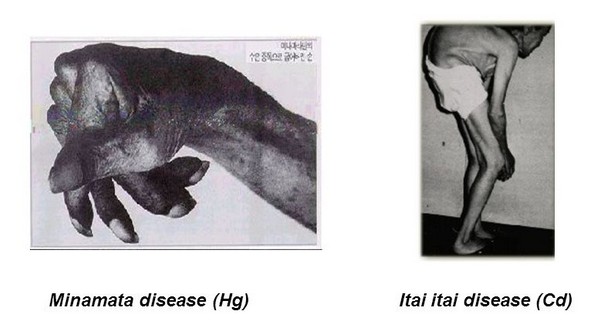
Mercury is a toxic metal as we well know from several recent environmental disasters, like Minamata in Japan[1]. We know from past experience that working with mercury or compounds containing mercury, such as methylmercury (ethylmercury is quite harmless) or cinnabar (mercury sulfide, once used as a pigment), will lead to health problems. Symptoms do depend upon the type, dose, method, and duration of exposure. They may include muscle weakness, poor coordination, numbness in the hands and feet, skin rashes, anxiety, memory problems, trouble speaking, trouble hearing, or trouble seeing. It will also create mental problems, as is shown in the Mad Hatter Syndrome.
But mercury poisoning will also have nefarious effects on your kidneys[2]. It accumulates readily in the renal tubular cells. To some extent, these tubular cells are able to regenerate, but prolonged exposure will surely lead to chronic kidney disease. Children's kidneys are particulary vulnerable to mercury poisoning[3].
Organic forms of mercury, which primarily affect the central nervous system, may also have serious toxicological effects in the kidneys.
Remember, you can inwittingly ingest mercury by consuming contaminated seafood, such as tuna. A study found that people, living in coastal regions of south-eastern Asia, the western Pacific and the Mediterranean, average biomarkers that approach the FAO/WHO references[4]. The Provisional Tolerable Daily Intake (PTDI) for inorganic mercury is set at 4 μg/kg body weight.
We would like to suggest to call this particular variant: Mercury-Induced Chronic Kidney Disease.
[1] Harada: Minamata disease: methylmercury poisoning in Japan caused by environmental pollution in Critical Reviews in Toxicology - 1995
[2] Orr, Bridges: Chronic Kidney Disease and Exposure to Nephrotoxic Metals in International Journal of Molecular Sciences – 2017. See here.
[3] Bose-O’Reilly, et al: Mercury Exposure and Children’s Health in Current Problems in Pediatric and Adolescent Health Care – 2011. See here.
[4] Sheehan et al: Global methylmercury exposure from seafood consumption and risk of developmental neurotoxicity: a systematic review in Bulletin of the World Heath Organisation - 2014. See here.
Kidney Stones and Gout
Kidney stones
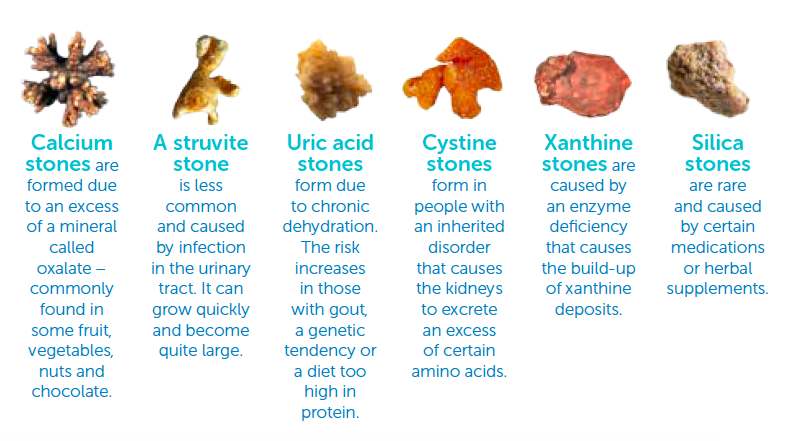
Kidney stones are hard deposits made of minerals and salts that form inside your kidneys. Kidney stones have many causes and can affect any part of your urinary tract — from your kidneys to your bladder. Kidney stones form when your urine contains more crystal-forming substances — such as calcium, oxalate and uric acid — than the fluid in your urine can dilute. At the same time, your urine may lack substances that prevent crystals from sticking together, creating an ideal environment for kidney stones to form.
Kidney stones form due to a combination of genetics and environmental factors. Risk factors include high urine calcium levels, obesity, certain foods, sodium (salt), some medical conditions or medications, calcium supplements, gout, not drinking enough fluids and soft drinks containing phosphoric acid (typically colas).
Gout
Gout occurs when urate crystals accumulate in your joint, causing the inflammation and intense pain of a gout attack. Urate crystals can form when you have high levels of uric acid in your blood.
Gout is a common and complex form of arthritis. It is characterized by sudden, severe attacks of pain, swelling, redness and tenderness in the joints, often the joint at the base of the big toe. The affected joint is hot, swollen and so tender that even the weight of the sheet on it may seem intolerable.
Gout forms due to a combination of genetics and environmental factors. Risk factors include foods rich in purine (steak, organ meats and seafood), alcoholic beverages (especially beer), and drinks sweetened with fruit sugar (fructose).
New research
The underlying etiology of kidney stones is thought to be multifactorial with an environmental (notable dietary), hormonal, and genetic component. The heritability of kidney stones has been estimated at 56%[1].
According to a recent study, the belief that these environmental factors are the primary cause of gout is mostly untrue[2]. Some foods may slightly increase the risk of developing gout (beer, wine, spirits, potatoes and meat), while others (cheese, eggs, peanuts and brown bread) may decrease that risk. However, a comparison of healthy and unhealthy diets shows there is only an 0.3% impact. Adhering to a Mediterranean diet reduced that impact even further to 0.06%. In comparison, the heritability explained by common genetic variants, was estimated to be 23.9%.
This suggests that both kidney stones and gout may share a common etiology.
[1] Halbritter et al: Update on Hereditary Kidney Stone Disease and Introduction of a New Clinical Patient Registry in Germany in Frontiers in Pediatrics - 2018
[2] Major et al: Evaluation of the diet wide contribution to serum urate levels: meta-analysis of population based cohorts in British Medical Journal – 2018. See here.
Fluoride-Induced Chronic Kidney Disease
Today, almost all toothpastes contain fluoride. It is well recognised that the decline in the prevalence of dental caries over the past 30 years can be attributed mainly to the widespread use of toothpaste that contain fluoride. Sodium fluoride, the most commonly used fluoride compound is considered safe and effective.
Fluoride naturally occurs in the environment. Concentrations in surface waters depend on location but are generally low and usually do not exceed 0.3 mg fluoride per liter. Groundwater can contain much higher levels.
There is no evidence of increased incidence of renal disease or renal dysfunction in humans exposed to up to 8 mg fluoride per liter in drinking water[1].
Usually fluoride is removed from your body via the kidneys. Too much fluoride may damage your kidneys beyond repair.
What happens if you happen to live in an area that has a natural water supply that is high in fluoride? Research from El Qued (southern Algeria) indicates that kidney damage occured in patients, who were living in an area with a high level of fluoride in their drinking water, had kidney damage proporional to their age[2]. Which means: the older you are, the more fluoride you have ingested during your lifetime, the more damage to your kidneys can be observed.
We would like to suggest to call this particular variant: Fluoride-Induced Chronic Kidney Disease.
[1] Wong et al: Topical fluoride as a cause of dental fluorosis in children in Cochrane Databases of Systematic Reviews – 2010
[2] Reggabi et al: Renal function in residents of an endemic fluorosis area in southern Algeria in Fluoride - 1984
Air Pollution-Induced Chronic Kidney Disease
We all know that air pollution is detrimental to your health. In large parts of the world the environment is so polluted with continued air pollution that incidences of cardiovascular diseases are rising sharply.
Air pollution depends on the size of the pollutants you inhale. Usually two sizes, called Particle Matter (PM) are studied: PM10 and PM2.5. PM10 are inhalable particles, with diameters that are generally 10 micrometers and smaller. PM2.5: fine inhalable particles, with diameters that are generally 2.5 micrometers and smaller.
Science has studied the effects on your lungs and found positive associations between cardiorespiratory diseases and different air pollutants. Worldwide studies showed statistical significance for all pollutants, suggesting that variables in particle size influence the average cardiorespiratory disease risk and may explain the varying effects of air pollution[1].
But your lungs are not the only organ that is diseased in the long run. Your kidneys are also at risk for Chronic Kidney Disease. Now, a study has used a database of 2,482,737 United States veterans and liked their possible exposure to air pollution (PM2.5) with satellite data. Which answered the question where these veterans were at a given moment in time and wat the air pollution was at that moment.
The study found that an increase in PM2.5 concentration was associated with similarly increased risk of Chronic Kidney Disease[2]. We would like to suggest to call this particular variant: Air Pollution-Induced Chronic Kidney Disease.
Air pollution is also linked to kidney, bladder, and colorectal cancer, a new study finds. Researchers observed 43,320 non-lung cancer deaths. PM2.5 was significantly positively associated with death from cancers of the kidney[3]
[1] Requia et al: Global Association of Air Pollution and Cardiorespiratory Diseases: A Systematic Review, Meta-Analysis, and Investigation of Modifier Variables in American Journal of Public Health – 2017
[2] Bowe et al: Particulate Matter Air Pollution and the Risk of Incident CKD and Progression to ESRD in American Society of Nephrology – 2017
[3] Taylor et al: Ambient Air Pollution and Cancer Mortality in the Cancer Prevention Study II in Environmental Health Perspectives -2017
Salt-Induced Chronic Kidney Disease
Nowadays there are people who dispute that salt intake increases blood pressure. These people are clearly wrong and can probably be included into the anti-vaxxers movement. But the real question is: does a higher blood pressure as a result of higher salt intake eventually results in damaged kidneys?
Research indicates that healthy kidneys can disperse of salt quickly, but if the salt intake suddenly increases humans do usually not excrete this salt more rapidly, but they undergo substantial salt retention[1]. This process is done by the kidneys, but this is likely to damage the kidneys in the long term and is exacerbated by the higher blood pressure in the veins in the kidneys.
While, restriction of sodium intake is an important preventive and therapeutic measure in patients with chronic renal diseases or at risk of renal damage, such as hypertensive or diabetic patients, it still doesn't explain if salt itself can result in a chronic kidney disease[2].
We know that people who consume too much salt on a chronic basis cause the kidneys to struggle with electrolyte balance continually. Meanwhile, high blood pressure places vascular stress on the kidneys. In this compromised state, the damage to small blood vessels in the nephrons, the parts of the kidney that filter toxins and wastes from digested food for excretion, decreases normal kidney function. This loss of function, known as chronic kidney disease, may progress little by little for years or decades.
Chronic kidney disease is incurable, so controlling your salt intake throughout life is an important preventive measure. People with chronic kidney disease also have greater risks for potentially fatal heart attacks and strokes.
I would like to propose the term Salt-Induced Related Chronic Kidney Disease for this specific Chronic Kidney Disease.
[1] Kurtz et al: An alternative hypothesis to the widely held view that renal excretion of sodium accounts for resistance to salt-induced hypertension in Kidney International – 2016
[2] Boero et al: Salt intake and kidney disease in Journal of Nephrology - 2002
Colistin-Induced Chronic Kidney Disease
Antibiotics were true life-savers when they became widely available after 1945. Almost criminal overuse and misuse of these medications has led to the rapid emergence of resistant bacteria is occurring worldwide. Many decades after the first patients were treated with antibiotics, bacterial infections have again become a threat.
What happens if all other antibiotics fail, you might ask. The answer is that doctors are forced to use colistin, a decades-old drug that fell out of favor in human medicine due to its kidney toxicity. However, it remains one of the last-resort antibiotics for some types multidrug-resistant bacteria.
Colistin is a nephrotoxic antibiotic. Nephrotoxicity is the concerning adverse effect of this drug. The mechanism of nephrotoxicity is via an increase in tubular epithelial cell membrane permeability, which results in cation, anion and water influx leading to cell swelling and cell lysis. There are also some oxidative and inflammatory pathways that seem to be involved in colistin nephrotoxicity. Risk factors of colistin nephrotoxicity can be categorized as dose and duration of colistin therapy, co-administration of other nephrotoxic drugs and patient-related factors such as age, sex, hypoalbuminemia, hyperbilirubinemia, underlying disease and severity of patient illness[1]. Another viewpoint says that periodic assessment of serum creatinine levels, modification of the colistin dose according to renal function, avoidance of coadministration of other nephrotoxic agents (if possible), shortening the duration of antimicrobial treatment, and attention to overall patient care, including hydration status, will minimize the potential for nephrotoxic effects of this valuable old antibiotic[2].
I would like to propose the term Colistin-Induced Chronic Kidney Disease for this specific Chronic Kidney Disease.
But we cannot win the arms race with nature, because animals and humans are finding ways to circumvent colistin and several MCR (Mobilized Colistin Resistance) genes have been reported since 2015 in all corners of the world.
[1] Ordooei Javan et al: A review on colistin nephrotoxicity in European Journal of Clinical Pharmacology – 2015
[2] Falagas, Rafailidis: Nephrotoxicity of Colistin: New Insight into an Old Antibiotic in Clinical Infectious Diseases - 2009
Fipronil-Induced Chronic Kidney Disease
Fipronil is a slow-acting potent poison kill compat pests and is marketed under brand names as Frontline. It is typically used to kill fleas, mites and ticks on cats and dogs. All fleas are usually dead within 24 hours, all ticks within 48 hours. In other environments and under a variety of trade names, fipronil is used against rats (Fipronil), grasshoppers and locusts (Regent, Adonis), cockroaches (Goliath, Nexa), termites and Rasberry crazy ants (Termidor, Ultrathor, Taurus), wasps (Fipronil), etc. Furthermore, fipronil is highly toxic to aquatic life, even in minute doses[1].
Because of its effectiveness against insects, fipronil is probably the main cause of the colony collapse disorder in bees. Remember, without bees there are no flowers and witout flowers there are no plants which supply the vast majority of foods.
Suppose you inhale, ingest or absorb (through your skin) fipronil. Once may not constitute a problem, but you might be at seriuos risk if you're a commercial pet groomer or veterinarian. Symptoms of acute toxicity include sweating, nausea, vomiting, headache, abdominal pain, dizziness, agitation, weakness and seizures that affect the entire brain. Clinical signs of exposure to fipronil are generally reversible and resolve spontaneously.
The key word in the previous sentence is 'generally', because not all symptoms are reversible. Research suggest that prolonged exposure to fipronil may cause Chronic Kidney Disease[2][3]. I would like to propose the term Fipronil-Induced Chronic Kidney Disease for this specific Chronic Kidney Disease.
News: Eggs recalled after banned pesticide found on Dutch poultry farms. See here.
[1] Qureshi et al: Exposure to sub-acute doses of fipronil and buprofezin in combination or alone induces biochemical, hematological, histopathological and genotoxic damage in common carp (Cyprinus carpio L.) in Aquatic Toxicology – 2016
[2] Fipronil: Third Reevaluation - Report of the Hazard Identification Assessment Review Committee - 2000
[3] Katheek, David: Assessment of Renal Toxicity in Rats Exposed to Commercial Formulations of Fipronil in International Journal of Pharmaceutical, Chemical and Biological Sciences - 2017. See here.
Silica-Induced Chronic Kidney Disease
Silica, a chemical compound found in abundance in nature, is comprised of quartz, a constituent of rock, and makes up 90-95% of sand. Prior research suggests that silica exposure is associated not only with silicosis, lung disease, rheumatoid arthritis, small vessel vascultitis and other autoimmune diseases, but also with kidney damage[1].
Still, some think that the connection between silica dust and Chronic Kidney Disease hasn't been proven enough. New research has now proven without any doubt that there is a direct relation between silica dust and Chronic Kidney Disease[2].
Approximately 3 million workers in USA and Europe are exposed to crystalline silica. Evidence suggests that there are a myriad of occupational and environmental exposures that may contribute to the development of and progression of Chronic Kidney Disease. Recent reports have highlighted silicon-containing compounds as being particularly damaging to the renal system, particularly for individuals who experience intense and prolonged exposure, such as miners, sandblasters, glass-makers, brick and grain workers.
America's 'dust bowl', also known as the 'Dirty Thirties', was the period of severe dust storms that eroded the soils as a result of severe drought during the 1930s. It is returning with a vengeance. Climate change will bring higher temperatures and less precipitation. It shall turn the Midwest into dust again and dust storm will create havoc to lungs and kidneys of millions of Americans.
I would like to propose the term Silica-Induced Chronic Kidney Disease for this specific Chronic Kidney Disease.
[1] Hogan et al: Silica exposure in anti-neutrophil cytoplasmic autoantibody-associated glomerulonephritis and lupus nephritis in Journal of the American Society of Nephrology = 2001
[2] Vupputuri et al: Silica exposure and chronic Kidney disease in Renal Failure - 2012
Glyphosate-Induced Chronic Kidney Disease
Glyphosate - beter known as RoundUp - is a broad-spectrum systemic herbicide and crop desiccant. It is used to kill weeds, especially annual broadleaf weeds and grasses that compete with crops.
Monsanto, its producer, claimed that glyphosate is harmless to humans and most scientific reviews agree with that statement and think that there's no 'support for a causal relationship between glyphosate exposure and the risk of on-Hodgkin’s lymphoma or of multiple myeloma'[1].
Still, other studies and case reports say that glyphosate causes toxicity not only after (accidental) ingestion but also after dermal exposure by inhalation route and on eye exposure[2].
We know Sri Lankan Agricultural Nephropathy as Phosphate Fertiliser-Induced Chronic Kidney Disease. Several reports claim that multiple heavy metals and glyphosate may play a role in its pathogenesis. Heavy metals, excessively present in the urine samples of patients with Phosphate Fertiliser Related Chronic Kidney Disease, are capable of causing damage to kidneys. Synergistic effects of multiple heavy metals and agrochemicals may be nephrotoxic[3].
I would like to propose the term Glyphosate-Induced Chronic Kidney Disease for this specific Chronic Kidney Disease.
You could easily imagine that the positive scientific reports about glyphosate are 'paid for by Monsanto', but that didn't stop California from deciding to ban the substance: it added glyphosate to their list of chemicals known to cause cancer. See here.
[1] Acquavella et al: Glyphosate epidemiology expert panel review: a weight of evidence systematic review of the relationship between glyphosate exposure and non-Hodgkin’s lymphoma or multiple myeloma in Critical Reviews of Toxicology – 2016
[2] Indirakshi et al: Toxic Epidermal Necrolysis and Acute Kidney Injury due to Glyphosate Ingestion in Indian Journal of Critical Care Medicine – 2017
[3] Jayasumana et al: Simultaneous exposure to multiple heavy metals and glyphosate may contribute to Sri Lankan agricultural nephropathy in BMC Nephrology - 2015
Iodine-Induced Chronic Kidney Disease
Ah, you might wonder, I do not consume too much iodine. That can be true if you do not like seafoods because those regularly contain high amounts of iodine. That doesn't constitute a problem because iodine is an essential element for life. Yes, our life too.
The problem not your beloved seafood, but iodine-containing contrast mediums such as those injected for an anginogram or radiology dye studies.
Contrast-Induced Nephropathy (CIN) is a Chronic Kidney Disease of non-Traditional (CKDnT) causes is a form of kidney damage in which there has been recent exposure to medical imaging contrast material without another clear cause for the acute kidney injury. Despite technological advances, Contrast-Induced Nephropathy remains responsible for a third of all hospital-acquired acute kidney injury (AKI)[1][2].
The mechanism of Contrast-Induced Nephropathy is still not entirely understood, but it is thought to include direct damage from reactive oxygen species, contrast-induced increase in urine output, increased oxygen consumption, changes in dilation and narrowing of the blood vessels to the kidneys or changes in urine viscosity[3]. While the exact cause remains unknown, exposure to medical imaging contrast material is known to damage the kidneys.
I would like to propose the term Iodine-Induced Chronic Kidney Disease for this specific Chronic Kidney Disease.
Other non-Traditional causes of Chronic Kidney Disease have already been discussed on this website, and they include – using my new nomenclature Medication Related Chronic Kidney Disease, Mycotoxin Related Chronic Kidney Disease, Silica Dust Related Chronic Kidney Disease, Aristolochic Acid Related Chronic Kidney Disease, Cadmium Related Chronic Kidney Disease, Radiation Related Chronic Kidney Disease, Sugar Cane Worker Chronic Kidney Disease, Phosphate Fertiliser Related Chronic Kidney Disease and High Altitude Related Chronic Kidney Disease.
[1] Hou et al: Hospital-acquired renal insufficiency: a prospective study in American Journal of Medicine – 1983
[2] Nash et al: Hospital-acquired renal insufficiency in American Journal of Kidney Diseases – 2002
[3] Fernandes et al: Impact of Iodinated Contrast on Renal Function and Hemodynamics in Rats with Chronic Hyperglycemia and Chronic Kidney Disease in BioMed Research International – 2016
The problem not your beloved seafood, but iodine-containing contrast mediums such as those injected for an anginogram or radiology dye studies.
![]() |
| [Anginogram of the heart using iodine contrast medium] |
The mechanism of Contrast-Induced Nephropathy is still not entirely understood, but it is thought to include direct damage from reactive oxygen species, contrast-induced increase in urine output, increased oxygen consumption, changes in dilation and narrowing of the blood vessels to the kidneys or changes in urine viscosity[3]. While the exact cause remains unknown, exposure to medical imaging contrast material is known to damage the kidneys.
I would like to propose the term Iodine-Induced Chronic Kidney Disease for this specific Chronic Kidney Disease.
Other non-Traditional causes of Chronic Kidney Disease have already been discussed on this website, and they include – using my new nomenclature Medication Related Chronic Kidney Disease, Mycotoxin Related Chronic Kidney Disease, Silica Dust Related Chronic Kidney Disease, Aristolochic Acid Related Chronic Kidney Disease, Cadmium Related Chronic Kidney Disease, Radiation Related Chronic Kidney Disease, Sugar Cane Worker Chronic Kidney Disease, Phosphate Fertiliser Related Chronic Kidney Disease and High Altitude Related Chronic Kidney Disease.
[1] Hou et al: Hospital-acquired renal insufficiency: a prospective study in American Journal of Medicine – 1983
[2] Nash et al: Hospital-acquired renal insufficiency in American Journal of Kidney Diseases – 2002
[3] Fernandes et al: Impact of Iodinated Contrast on Renal Function and Hemodynamics in Rats with Chronic Hyperglycemia and Chronic Kidney Disease in BioMed Research International – 2016
Medication-Induced Chronic Kidney Disease
The cause of several Chronic Kidney Disease (CKD) isn't always known, but the traditional causes of chronic kidney disease are diabetes (high blood sugar levels caused by diabetes damage blood vessels in the kidneys) and high blood pressure (uncontrolled high blood pressure damages blood vessels, which can lead to damage in the kidneys).
Diabetes or high blood pressure may also speed up the progression of Chronic Kidney Disease in someone who already has the disease.
Other non-Traditional causes of Chronic Kidney Disease have already been discussed on this website, and they include – using my new nomenclature Mycotoxin Related Chronic Kidney Disease, Silica Dust Related Chronic Kidney Disease, Aristolochic Acid Related Chronic Kidney Disease, Cadmium Related Chronic Kidney Disease, Radiation Related Chronic Kidney Disease, Sugar Cane Worker Chronic Kidney Disease, Phosphate Fertiliser Related Chronic Kidney Disease and High Altitude Related Chronic Kidney Disease.
Another non-Traditional causes of Chronic Kidney Disease is the long-term use of certain medicines that can damage the kidneys. Examples include over-the-counter nonsteroidal anti-inflammatory drugs (NSAIDs)[1], such as celecoxib andibuprofen, and certain antibiotics, such as erythromycin, clarithromycin and azithromycin[2].
However, some scientists beg to differ and think that there isn't a relationship between NSDAIDs and kidney disease[3]. Tell that to vultures who have died in their hundreds after they ate carcasses of livestock that were 'pre-treated' with diclofenac.
I would like to propose the term Medication-Induced Chronic Kidney Disease for this specific Chronic Kidney Disease.
[1] Ungprasert et al: Individual non-steroidal anti-inflammatory drugs and risk of acute kidney injury: A systematic review and meta-analysis of observational studies in European Journal of Internal Medicine – 2016
[2] Ma et al: Clinical manifestation of macrolide antibiotic toxicity in CKD and dialysis patients in Clinical Kidney Journal - 2014
[3] Yaxley, Litfin: Non-steroidal anti-inflammatories and the development of analgesic nephropathy: a systematic review in Renal Failure – 2016
Diabetes or high blood pressure may also speed up the progression of Chronic Kidney Disease in someone who already has the disease.
Another non-Traditional causes of Chronic Kidney Disease is the long-term use of certain medicines that can damage the kidneys. Examples include over-the-counter nonsteroidal anti-inflammatory drugs (NSAIDs)[1], such as celecoxib andibuprofen, and certain antibiotics, such as erythromycin, clarithromycin and azithromycin[2].
However, some scientists beg to differ and think that there isn't a relationship between NSDAIDs and kidney disease[3]. Tell that to vultures who have died in their hundreds after they ate carcasses of livestock that were 'pre-treated' with diclofenac.
I would like to propose the term Medication-Induced Chronic Kidney Disease for this specific Chronic Kidney Disease.
[1] Ungprasert et al: Individual non-steroidal anti-inflammatory drugs and risk of acute kidney injury: A systematic review and meta-analysis of observational studies in European Journal of Internal Medicine – 2016
[2] Ma et al: Clinical manifestation of macrolide antibiotic toxicity in CKD and dialysis patients in Clinical Kidney Journal - 2014
[3] Yaxley, Litfin: Non-steroidal anti-inflammatories and the development of analgesic nephropathy: a systematic review in Renal Failure – 2016
Radiation-Induced Chronic Kidney Disease
Radiation Nephropathy (or Arteriolar Nephrosclerosis) is damage to both kidneys with loss of function as a result of ionizing radiation. Ionizing radiation of sufficient energy disrupts chemical bonds and cause DNA-injury within milliseconds of irradiation.
The occurrence of renal dysfunction as a consequence of ionizing radiation has been known for more than 100 years[1].
The threshold dose for radiation nephropathy was identified as 23 Gy from radiation of both kidneys when given in 20 fractions over 4 weeks[2]. Lower radiation doses may cause kidney injury after many years of follow-up. Thus, in survivors of the Hiroshima and Nagasaki atomic bombs, estimated single fraction exposure of 2 Gy were associated with Chronic Kidney Disease (CKD) and the development of Cardiovascular Disease (CVD) among A-bomb survivors after many decades[3][4].
Radiation also had a therapeutic use for cancers like Hodgkin lymphoma and non-Hodgkin lymphoma. Now, other therapies have been developed and incidences of Radiation Nephropathy have subsequently declined[5].
Signs and symptoms are indistinguishable from renal failure from any other cause.
I propose to call this Chronic Kidney Disease of non-Traditional causes (CKDnT): Radiation-Induced Chronic Kidney Disease.
[1] Bärmann, Linser: Ueber die lokale und allgemeine Wirkung der Röntgenstrahlen in Münchener medizinische Wochenschrift - 1904
[2] Luxton: Radiation nephritis: A long term study of 54 patients in Lancet - 1961
[3] Sera et al: The association between chronic kidney disease and cardiovascular risk factors in atomic bomb survivors in Radiation Research – 2013
[4] Adams et al: Radiation Dose Associated with Renal Failure Mortality: A Potential Pathway to Partially Explain Increased Cardiovascular Disease Mortality Observed after Whole-Body Irradiation in Radiation Research – 2012
[5] Jairam et al: Historical trends in the use of radiation therapy for pediatric cancers: 1973-2008 in International Journal for Radiation Oncology, Biology and Physics
The occurrence of renal dysfunction as a consequence of ionizing radiation has been known for more than 100 years[1].
The threshold dose for radiation nephropathy was identified as 23 Gy from radiation of both kidneys when given in 20 fractions over 4 weeks[2]. Lower radiation doses may cause kidney injury after many years of follow-up. Thus, in survivors of the Hiroshima and Nagasaki atomic bombs, estimated single fraction exposure of 2 Gy were associated with Chronic Kidney Disease (CKD) and the development of Cardiovascular Disease (CVD) among A-bomb survivors after many decades[3][4].
![]() |
| [Hiroshima: after the atomic bomb] |
Radiation also had a therapeutic use for cancers like Hodgkin lymphoma and non-Hodgkin lymphoma. Now, other therapies have been developed and incidences of Radiation Nephropathy have subsequently declined[5].
Signs and symptoms are indistinguishable from renal failure from any other cause.
I propose to call this Chronic Kidney Disease of non-Traditional causes (CKDnT): Radiation-Induced Chronic Kidney Disease.
[1] Bärmann, Linser: Ueber die lokale und allgemeine Wirkung der Röntgenstrahlen in Münchener medizinische Wochenschrift - 1904
[2] Luxton: Radiation nephritis: A long term study of 54 patients in Lancet - 1961
[3] Sera et al: The association between chronic kidney disease and cardiovascular risk factors in atomic bomb survivors in Radiation Research – 2013
[4] Adams et al: Radiation Dose Associated with Renal Failure Mortality: A Potential Pathway to Partially Explain Increased Cardiovascular Disease Mortality Observed after Whole-Body Irradiation in Radiation Research – 2012
[5] Jairam et al: Historical trends in the use of radiation therapy for pediatric cancers: 1973-2008 in International Journal for Radiation Oncology, Biology and Physics
Mycotoxin-Induced Chronic Kidney Disease
In Tunesia, a chronic kidney disease of unknown etiology was first described in 2003[1]. It resembled in many ways other Chronic Kidney Diseases of non-Traditional causes, especially Aristologic Acid Related Chronic Kidney Disease. After an insidious course, patients present in their fourth or fifth decade with End-Stage Renal Failure (ESRF)[2].
However, while the cause of Aristologic Acid Related Chronic Kidney Disease has been resolved as being grain contaminated with (European) birthwort (Aristolochia clematis) or fytotherapeutic medicins, containing one or more species of Aristolochia, the exact cause of Tunesia's chronic kidney disease of unknown etiology remained a mystery.
In Tunesia, food contamination with ochratoxin A, a mycotoxin produced by Aspergillus ochraceus, Aspergillus carbonarius or Penicillium verrucosum, is widespread[3]. Ochratoxin A can orrur in cereal grains, dry beans, grapes, moldy peanuts and coffee beans. Serum ochratoxin levels are higher in patients with Chronic Kidney Diseases of non-Traditional causes (CKDnT) than in those in the control group[4].
Despite this, not all that were heavily exposed develop Chronic Kidney Disease. Researchers speculate that a genetic predisposition might be involved, but it might be simpler than that: silica dust is a known cause of Chronic Kidney Diseases.
I propose to call this Chronic Kidney Disease of non-Traditional causes (CKDnT): Mycotoxin-Induced Chronic Kidney Disease.
[1] Abid et al: Ochratoxin A and human chronic nephropathy in Tunisia: is the situation endemic? in Human and Experimental Toxicology – 2003
[2] Hmaissia Khlifa et al: Ochratoxin A levels in human serum and foods from nephropathy patients in Tunisia: where are you now? in Experimental and Toxicologic Pathology – 2012
[3] Creppy et al: How much should we involve genetic and environmental factors in the risk assessment of mycotoxins in humans? in International Journal of Environmental Research and Public Health – 2005
[4] O'Brien, Dietrich: Ochratoxin A: the continuing enigma in Critical Reviews in Toxicology – 2005
However, while the cause of Aristologic Acid Related Chronic Kidney Disease has been resolved as being grain contaminated with (European) birthwort (Aristolochia clematis) or fytotherapeutic medicins, containing one or more species of Aristolochia, the exact cause of Tunesia's chronic kidney disease of unknown etiology remained a mystery.
![]() |
| [Ochratoxin A as seen under an electron microscope] |
In Tunesia, food contamination with ochratoxin A, a mycotoxin produced by Aspergillus ochraceus, Aspergillus carbonarius or Penicillium verrucosum, is widespread[3]. Ochratoxin A can orrur in cereal grains, dry beans, grapes, moldy peanuts and coffee beans. Serum ochratoxin levels are higher in patients with Chronic Kidney Diseases of non-Traditional causes (CKDnT) than in those in the control group[4].
Despite this, not all that were heavily exposed develop Chronic Kidney Disease. Researchers speculate that a genetic predisposition might be involved, but it might be simpler than that: silica dust is a known cause of Chronic Kidney Diseases.
I propose to call this Chronic Kidney Disease of non-Traditional causes (CKDnT): Mycotoxin-Induced Chronic Kidney Disease.
[1] Abid et al: Ochratoxin A and human chronic nephropathy in Tunisia: is the situation endemic? in Human and Experimental Toxicology – 2003
[2] Hmaissia Khlifa et al: Ochratoxin A levels in human serum and foods from nephropathy patients in Tunisia: where are you now? in Experimental and Toxicologic Pathology – 2012
[3] Creppy et al: How much should we involve genetic and environmental factors in the risk assessment of mycotoxins in humans? in International Journal of Environmental Research and Public Health – 2005
[4] O'Brien, Dietrich: Ochratoxin A: the continuing enigma in Critical Reviews in Toxicology – 2005
Aristolochic Acid-Induced Chronic Kidney Disease
Aristolochic Acid Nephropathy was originally termed Balkan Endemic Nephropathy. It is also an illness that is officially described as a 'Chronic Kidney Disease of non-Traditional causes (CKDnT)'.
The condition was first identified in the 1920s among several small rural communities along the Danube River and its major tributaries, now flowing in countries such as Croatia, Bosnia and Herzegovina, Serbia, Romania and Bulgaria[1].
Patients with this CKDnT do not have the commonly known risk factors for kidney disease, such as diabetes or hypertension. Which means that another etiology must have been at work here. This type of CKDnT 'only' affected adults, thus no children reported as having this affliction.
Over the last 50 years, several hypotheses on the cause of Balkan Endemic Nephropathy had been formulated, including mycotoxins, heavy metals, viruses and trace-element insufficiencies[2]. However, recent studies provide evidence that chronic dietary exposure to aristolochic acid, the principal component of the (European) birthwort (Aristolochia clematitis), which grows as a weed in the wheat fields of the endemic regions, is the cause of Balkan Endemic Nephropathy.
Dietary exposure isn't confined to grain that is contaminated with birthwort, but the plant (or its close relative) is also widely used in herbal remedies and slimming pills[3]. Well, you certainly lose weight quite rapidly if your kidneys fail. As a result, this rapidly progressive renal disease has since been renamed to Aristolochic Acid Nephropathy.
There is no specific treatment, so therapy is largely supportive, aiming to delay disease progression.
I propose to call this Chronic Kidney Disease of non-Traditional causes Aristologic Acid- Induced Chronic Kidney Disease.
[1] Chernozemsky et al: Geographic correlation between the occurrence of endemic nephropathy and urinary tract tumours in Vratza district, Bulgaria in International Journal of Cancer – 1977
[2] Stiborová et al: Balkan endemic nephropathy: an update on its aetiology in Archives of Toxicology – 2016
[3] Gökmen et al: The epidemiology, diagnosis, and management of aristolochic acid nephropathy: a narrative review in Annals of Internal Medicine – 2013
The condition was first identified in the 1920s among several small rural communities along the Danube River and its major tributaries, now flowing in countries such as Croatia, Bosnia and Herzegovina, Serbia, Romania and Bulgaria[1].
Patients with this CKDnT do not have the commonly known risk factors for kidney disease, such as diabetes or hypertension. Which means that another etiology must have been at work here. This type of CKDnT 'only' affected adults, thus no children reported as having this affliction.
Over the last 50 years, several hypotheses on the cause of Balkan Endemic Nephropathy had been formulated, including mycotoxins, heavy metals, viruses and trace-element insufficiencies[2]. However, recent studies provide evidence that chronic dietary exposure to aristolochic acid, the principal component of the (European) birthwort (Aristolochia clematitis), which grows as a weed in the wheat fields of the endemic regions, is the cause of Balkan Endemic Nephropathy.
![]() |
| [Possible subdivisions of Aristolochic Acid Nephropathy] |
There is no specific treatment, so therapy is largely supportive, aiming to delay disease progression.
I propose to call this Chronic Kidney Disease of non-Traditional causes Aristologic Acid- Induced Chronic Kidney Disease.
[1] Chernozemsky et al: Geographic correlation between the occurrence of endemic nephropathy and urinary tract tumours in Vratza district, Bulgaria in International Journal of Cancer – 1977
[2] Stiborová et al: Balkan endemic nephropathy: an update on its aetiology in Archives of Toxicology – 2016
[3] Gökmen et al: The epidemiology, diagnosis, and management of aristolochic acid nephropathy: a narrative review in Annals of Internal Medicine – 2013
Cadmium-Induced Chronic Kidney Disease
Itai-Itai Disease is also an Chronic Kidney Disease of non-Traditional causes (CKDnT). From 1910 to the 1960s, wastewater from a mine near the Jinzu river basin in Toyama, Japan, polluted water and rice paddies with heavy metals, including cadmium (Cd). As early as 1912, patients reported bone pain, muscle weakness, and renal failure.
In 1968, the Japanese Ministry of Health and Welfare decided to call this 'Itai-Itai (“ouch-ouch”) disease from chronic cadmium exposure'. Cadmium has an elimination half-life of 10 to 30 years and accumulates in the kidney, slowy killing the organ.
Symptoms include bone pain (hence the name), waddling gait, a marked softening of your bones (osteomalacia) and an irreversible proximal tubular dysfunction that leads to a severe, disabling condition[1]. The only solution is to have a kidney transplant.
High concentrations of cadmium were found in soil, rice, and in pathology specimens of individuals with Itai-Itai[2]. A large 16-year follow-up study identified a dose-related increase in overall age-adjusted mortality, and mortality related to cardiovascular and kidney disease[3].
Elsewhere, in Belgium[4] and Sweden[5], this kidney disease was identified.
Itai-Itai Disease still exists today. Exposure is primarily through contaminated food, smoking or occupational contact.
As this kidney disease has now been observed in numerous countries other than Japan, I would like to propose a new nomenclature: Cadmium-Induced Chronic Kidney Disease.
[1] Emmerson: Ouch-Ouch Disease: The Osteomalacia of Cadmium Nephropathy in Annals of Internal Medicine – 1970
[2] Kobayashi et al: Association between total cadmium intake calculated from the cadmium concentration in household rice and mortality among inhabitants of the cadmium-polluted Jinzu River basin of Japan in Toxicology Letters – 2002
[3] Nishijo et al: Causes of death and renal tubular dysfunction in residents exposed to cadmium in the environment in Occupational and Environmental Medicine – 2006
[4] Buchet et al: Renal effects of cadmium body burden of the general population in Lancet – 1990
[5] Järup et al: Dose-response relations between urinary cadmium and tubular proteinuria in cadmium-exposed workers in American Journal of Industrial Medicine – 1994
Phosphate Fertiliser Induced Chronic Kidney Disease
An unknown medical condition has been killing agricultural workers in northern Sri Lanka. The illness is officially described as a 'Chronic Kidney Disease of non-Traditional causes (CKDnT)'.
Patients with CKDnT do not have the commonly known risk factors for kidney disease, such as diabetes and hypertension. Which means that another etiology must be at work here. While northern Sri Lanka is 'blessed' with a hot climate, agricultural workers are not alike the sugar cane workers in Mesoamerica. Chronic dehydration does result in kidney problems and eventually to renal failure.
During the last 2600 years, farmers inhabiting dry zone of Sri Lanka were cultivating rice using irrigated water and organic fertilizer (for our English readers: fertiliser). Now, new varieties of rice cultivated by farmers require large amounts of chemical fertilizers.
Organic or natural fertilizers, such as manure, compost or paddy husk, all contained very low amounts of arsenic. Despite the fact that the import of arsenic containing pesticides is illegal, all tested pesticide brands contained arsenic[1]. There is evidence of a positive association between arsenic exposure and kidney disease mortality[2]. This special type of chronic kidney disease is a toxic nephropathy and arsenic may play a causative role along with a number of other heavy metals. Findings suggest that agrochemicals, especially phosphate fertilizers, are a major source of inorganic arsenic in CKDnT endemic areas in Sri Lanka.
Another possible culprit may be glyphosate (better known as RoundUp), the most widely used herbicide in the disease endemic area and its unique metal chelating properties. While the substance in itself is not considered very toxic to humans, it seems to have acquired the ability to destroy the renal tissues of thousands of farmers when it forms complexes with hard water or nephrotoxic metals[3]. It might even explain similar kidney disease epidemics observed in Andra Pradesh (India) and Central America.
[1] Jayasumana et al: Phosphate fertilizer is a main source of arsenic in areas affected with chronic kidney disease of unknown etiology in Sri Lanka in SpringerPlus - 2015
[2] Zheng et al: Arsenic and Chronic Kidney Disease: A Systematic Review in Current Environmental Health Reports – 2014
[3] Jayasumana et al: Glyphosate, Hard Water and Nephrotoxic Metals: Are They the Culprits Behind the Epidemic of Chronic Kidney Disease of Unknown Etiology in Sri Lanka? in International Journal of Environmental Research and Public Health – 2014
High Altitude Induced Chronic Kidney Disease
The kidneys are a pair of bean-shaped organs. Each kidney is about the size of a fist. The kidneys' function are to filter the blood in order to remove waste, control the body's fluid balance and regulate the balance of electrolytes.
Loss of kidney function may be acute or chronic. The former is usually reversible, while the latter is permanent.
In high-altitude climbers, the kidneys play a crucial role in acclimatization and in mountain sickness syndromes through their roles in regulating body fluids, electrolyte and acid–base homeostasis[1]. The higher you climb, the lower the amount of oxygen available to your body. The kidneys react to that by temporarily decreasing plasma volume.
There is concern that living at high altitude may accelerate the progression of chronic kidney disease. Many areas of the kidney are marginally oxygenated even at sea levels. Researchers postulated that arterial hypoxemia (abnormally low level of oxygen in the blood) at high altitude poses a risk of faster disease progression in those with preexisting kidney disease[2].
A survey in Tibet to identify the prevalence and associated risk factors of chronic kidney disease in subjects living at altitudes above 3500 meters clearly showed a higher number of people that suffered from High Altitude Kidney Disease[3]. Which suggests that a chronic lack of oxygen causes chronic kidney diseases.
[1] Goldfarb-Rumyantzev, Alper: Short-term responses of the kidney to high altitude in mountain climbers in Nephrology, Dialysis, Transplantation – 2014
[2] Luks et al: Chronic kidney disease at high altitude in Journal of the American Society of Nephrology – 2008
[3] Chen et al: Prevalence and risk factors of chronic kidney disease: a population study in the Tibetan population in Nephrology, Dialysis, Transplantation – 2011
Sugar Cane Worker Chronic Kidney Disease
An unknown medical condition has been killing male agricultural workers in central America. The illness is officially described as a 'Chronic Kidney Disease of non-Traditional causes (CKDnT)' and it is responsible for 75% of deaths of young and middle-aged men in Nicaragua and El Salvador. Workers in the sugarcane industry are worst affected and the disease has been destroying families and communities since it emerged in the late 1990s. Some researchers suspect that a virus might be to blame as the fields are heavily infested with rodents[1].
Patients experience fever, nausea and vomiting, joint pain, muscle pain, headache, neck and back pain, weakness, and itchiness at the onset of acute kidney disease.
However, further research has now indicated that the epidemic of kidney disease among young Central American males may be the result of continued heat stress and volume depletion[2].
For the study, researchers followed 284 sugarcane workers in seven different jobs from one company in Nicaragua. Blood and urine samples were collected before and near the end of the six-month harvest season. Those workers who had the most labor-intensive jobs, cane cutters, had increased urinary NGAL (Neutrophil Gelatinase Associated Lipocalin) and IL-18 (Interleukin-18), both biomarkers of kidney injury.
Researchers observed a protective effect of consuming an electrolyte solution among cane cutters and seed cutters. This indicates there are ways to prevent kidney injury among laborers in high-heat settings.
Global warming might further give rise to the number of cases. Climate change has led to a significant rise of 0.8°C–0.9°C in global mean temperature over the last century and has been linked with significant increases in the frequency and severity of heat waves (extreme heat events)[3].
[1] Murray et al: Mesoamerican nephropathy: a neglected tropical disease with an infectious etiology? in Microbes and Infection - 2015
[2] Laws et al: Biomarkers of Kidney Injury Among Nicaraguan Sugarcane Workers in American Journal of Kidney Diseases - 2015
[3] Glaser et al: Climate Change and the Emergent Epidemic of CKD from Heat Stress in Rural Communities: The Case for Heat Stress Nephropathy in Clinical Journal of the American Society of Nephrology - 2016
Patients experience fever, nausea and vomiting, joint pain, muscle pain, headache, neck and back pain, weakness, and itchiness at the onset of acute kidney disease.
However, further research has now indicated that the epidemic of kidney disease among young Central American males may be the result of continued heat stress and volume depletion[2].
In Nicaragua and El Salvador, age-adjusted mortality rates from kidney disease are among the highest in the world. According to researchers, in these countries, the prevalence of kidney disease (defined as eGFR
<60 mL/min/1.73m2).
“Most researchers believe the causes are multifactorial, and it is at least in part related to occupation, given the severe toll that kidney disease is taking on heavy manual laborers in the region,” explained Rebecca Laws, lead author on the study.
For the study, researchers followed 284 sugarcane workers in seven different jobs from one company in Nicaragua. Blood and urine samples were collected before and near the end of the six-month harvest season. Those workers who had the most labor-intensive jobs, cane cutters, had increased urinary NGAL (Neutrophil Gelatinase Associated Lipocalin) and IL-18 (Interleukin-18), both biomarkers of kidney injury.
Researchers observed a protective effect of consuming an electrolyte solution among cane cutters and seed cutters. This indicates there are ways to prevent kidney injury among laborers in high-heat settings.
Global warming might further give rise to the number of cases. Climate change has led to a significant rise of 0.8°C–0.9°C in global mean temperature over the last century and has been linked with significant increases in the frequency and severity of heat waves (extreme heat events)[3].
[1] Murray et al: Mesoamerican nephropathy: a neglected tropical disease with an infectious etiology? in Microbes and Infection - 2015
[2] Laws et al: Biomarkers of Kidney Injury Among Nicaraguan Sugarcane Workers in American Journal of Kidney Diseases - 2015
[3] Glaser et al: Climate Change and the Emergent Epidemic of CKD from Heat Stress in Rural Communities: The Case for Heat Stress Nephropathy in Clinical Journal of the American Society of Nephrology - 2016
Subscribe to:
Posts (Atom)